
Termites first. Then spiders, wasps, rats and mice, in Albury Wodonga.
Termite work starts with an inspection of the whole building and can run for months. Spiders, wasps and rodents are quicker jobs, each with something you need to do, or not do, afterwards.
Call 0419 257 188Termites
Inspection first
No termite treatment starts without a full inspection by a trained termite technician. Termites in one spot often mean termites somewhere else in the building, and treating only what you can see makes full eradication unlikely.
A plan, followed exactly
Termite treatments are complex and can take months. Pest to Kill makes recommendations and sets a plan to eradicate the termites, and the plan has to be followed exactly. The treatment must not be tampered with, and only experienced termite technicians carry it out.
A chemical barrier
A chemical termite barrier lasts on average 3 to 5 years, depending on environmental factors and soil type.

The EXTERRA system
Pest to Kill completed EXTERRA's in-depth training to use its Termite Interception and Baiting System. EXTERRA's Quality Care accredited installers do ongoing professional development. Stations with FOCUS termite attractant encircle the home to create one complete, continuous Termite Interception Zone, so termites are intercepted before they reach the house.
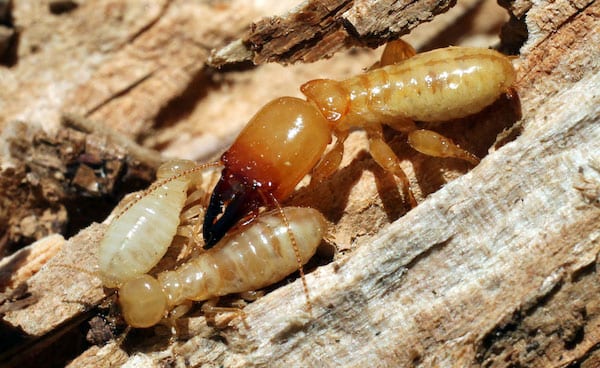
Termites, or worried about them? Call 0419 257 188, Monday to Friday, 8am to 5pm.
Spiders
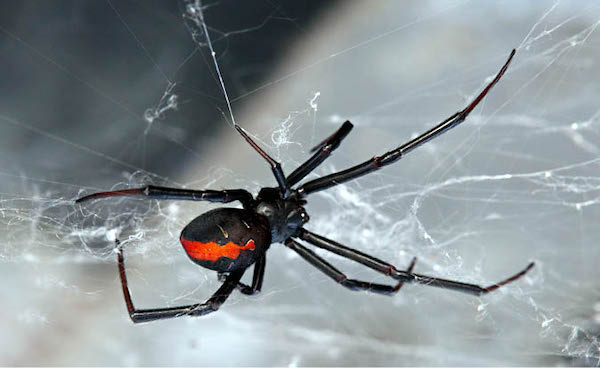
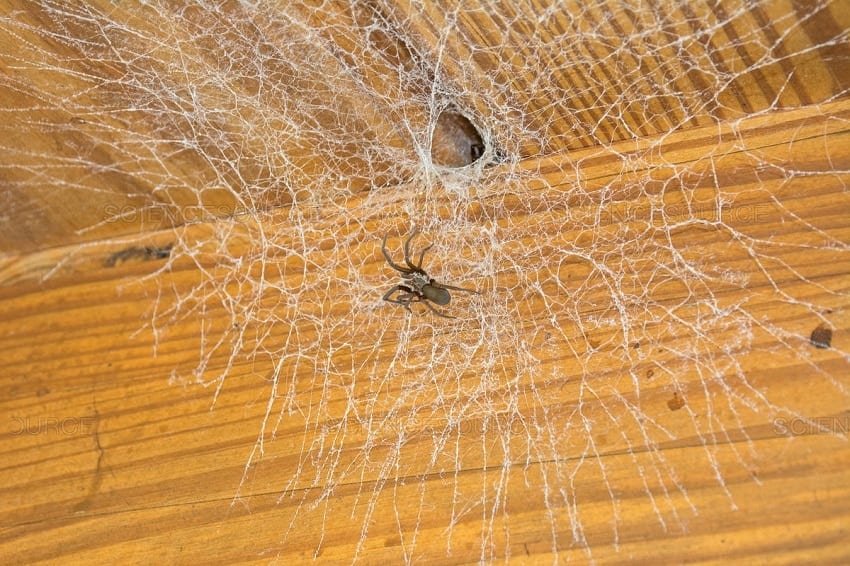
Spider control is part of Pest to Kill's general pest treatment. The outside of the building is sprayed, along with hiding places around the yard: fences, sheds and play equipment. It targets web-building spiders such as redbacks and black house spiders, and covers nomadic, ground-dwelling and orb-weaving spiders too, including huntsman, daddy long legs, white-tail, wolf spiders and funnel-webs.
The spray leaves a residual insecticide on treated surfaces that spiders cross. After a treatment, leave the webs for a day or two so the spider comes out onto the treated web, then brush them away. Don't blast them with water; it washes the treatment off. The treatment can rid your home of spiders for up to 12 months.
Pest to Kill describes its treatments as safe, effective and guaranteed; ask what the guarantee covers for your job when you call.
Webs around the house? Call 0419 257 188, Monday to Friday, 8am to 5pm.
Bees and wasps
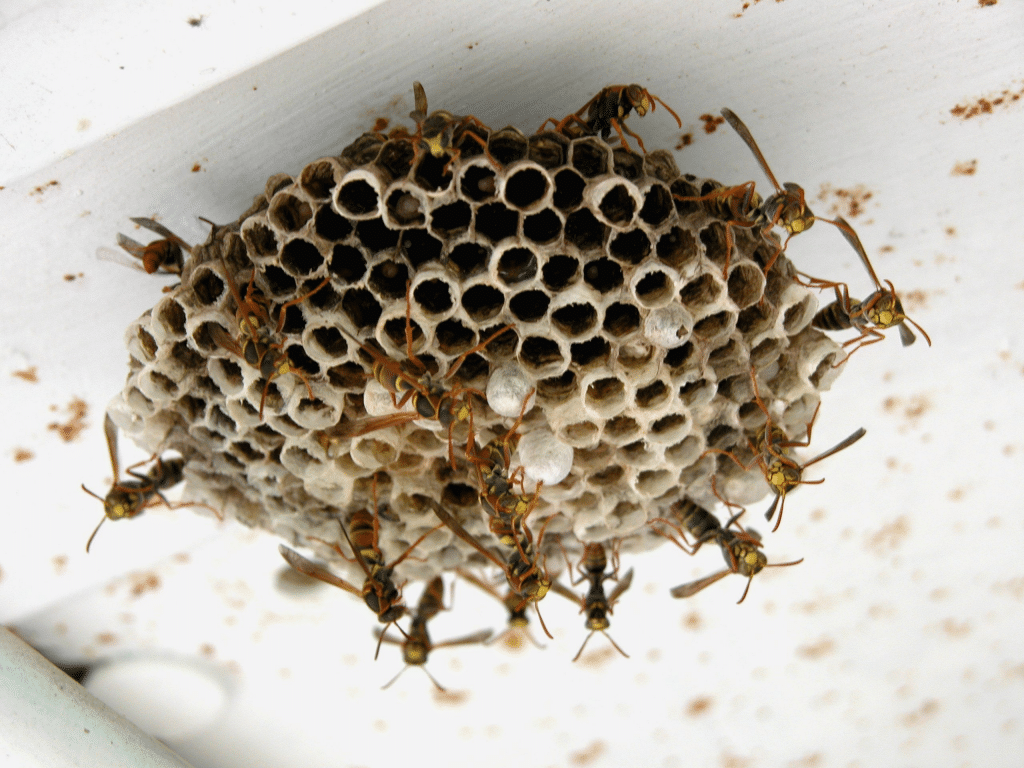
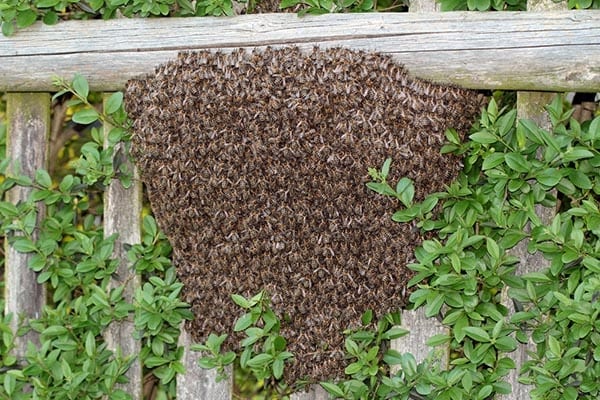
Bees and wasps matter in the environment, but a hive or swarm on your property is a risk. Stings release histamine and can be life-threatening for some people and pets. Moving a hive needs protective equipment, and the species has to be identified first.
The European wasp is the wasp most often found around Albury Wodonga. It is an introduced, aggressive species. Nests are often hidden in wall cavities and roof spaces, can hold tens of thousands of wasps, and usually aren't found until they are nearly full size. The nest has to be treated directly to remove the risk to people and pets. Do not try to treat it yourself. Pest to Kill's technicians wear personal protective equipment for bee and wasp work.
Found a nest? Call 0419 257 188, Monday to Friday, 8am to 5pm.
Rats and mice
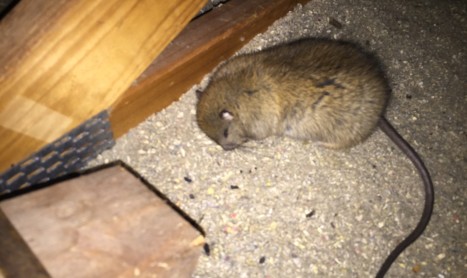
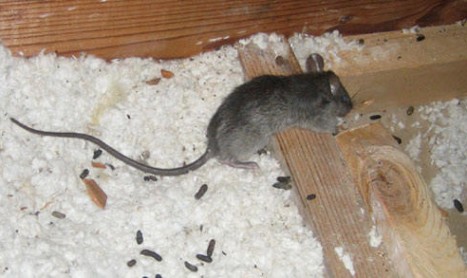
Homes give rodents food, water and shelter. They spread disease and contaminate food, and they gnaw constantly to keep their teeth down: water pipes, plaster, heating and air-conditioning ducting, electrical cables and conduits. Every year homes are water-damaged, and fires start, because of rodents.
The first sign is often scurrying when you're trying to sleep, or droppings and spoiled food in the kitchen. Mice are rarely seen by day. The four situations Pest to Kill sees most in Albury Wodonga homes: droppings in the pantry or under the sink; a mouse darting across a room into a gap; sheds, garages, sub-floors and storage areas with shredded contents, stains and a smell; and noises in the roof, walls or under the floor.
Treatment removes the existing problem and gives ongoing protection. Products are either safe for family and pets or placed where only rodents can reach them.
Droppings or scratching? Call 0419 257 188, Monday to Friday, 8am to 5pm.
Termite barriers, webs and wasp nests: straight answers
Do you have to inspect before treating termites?
Yes. A full termite inspection by a trained technician comes first, because other parts of the building may also be infested. Treating only the area you found makes full eradication unlikely.
How long does a termite treatment take?
Termite treatments are complex and can take months. Pest to Kill makes recommendations and sets out a plan that has to be followed exactly, and the treatment must not be disturbed while it works.
How long does a termite barrier last?
A chemical termite barrier lasts on average 3 to 5 years. Where your home sits in that range depends on environmental factors and the soil type.
What is the EXTERRA system?
EXTERRA is a termite interception and baiting system. Stations containing FOCUS termite attractant are placed around the whole home to form a continuous Termite Interception Zone, so termites are intercepted before they reach the house. Pest to Kill completed EXTERRA's training to install it.
Should I hose spider webs off after a spray?
No. Leave the webs in place for a day or two so the spiders come out onto the treated web, then remove the webs with a brush. Water washes the treatment away and you lose the long-term protection, which can last up to 12 months.
Can I remove a wasp nest myself?
Pest to Kill's advice is not to try. European wasps are aggressive, nests can hold tens of thousands of wasps and are often hidden in wall cavities and roof spaces. The nest must be treated directly, by technicians wearing protective equipment.
Are the treatments safe for children and pets?
For rats and mice, products are either safe for family and pets or placed where only rodents can reach them. Pest to Kill describes its spider treatment as harmless to pets.
What towns and hours does Pest to Kill cover?
Albury, Wodonga and 24 other named towns across Southern NSW and North East Victoria, from Mulwala to Corryong and The Rock to Falls Creek, plus others on request. Hours are Monday to Friday, 8am to 5pm, closed weekends and public holidays.